Characteristics and Application Scenarios of ABS Sheets
ABS: Acrylonitrile-Butadiene-Styrene Copolymer Sheet
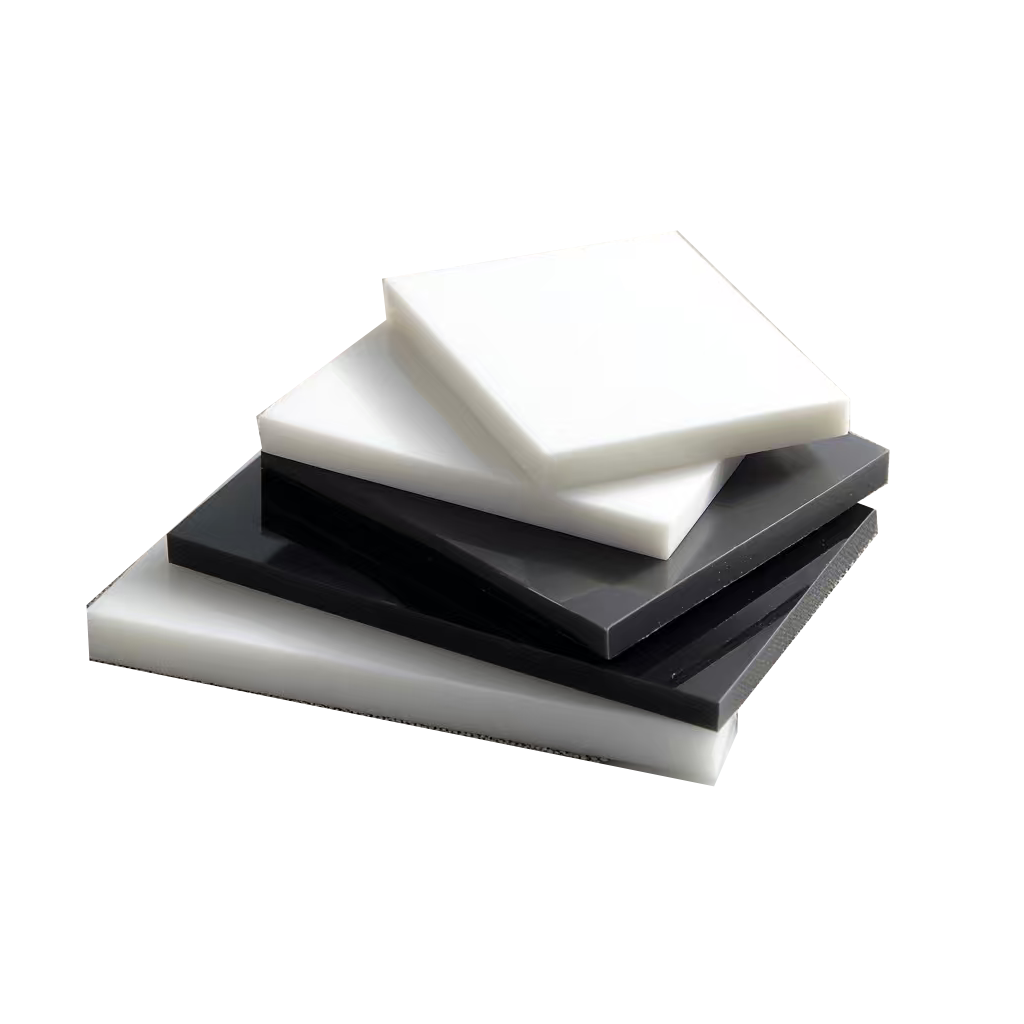
ABS sheet is an emerging, eco-friendly engineering material within the sheet manufacturing industry. It is a polymer characterized by high production volume and widespread application. It organically integrates the various properties of PS, SAN, and BS, possessing excellent mechanical properties that strike a fine balance between toughness, hardness, and rigidity.
ABS sheet is a polymeric material produced through the copolymerization of three monomers—acrylonitrile, butadiene, and styrene—combining the distinct characteristics of each to deliver superior overall performance.
Specific Gravity: 1.05–1.18 (National Standard: 1.05)
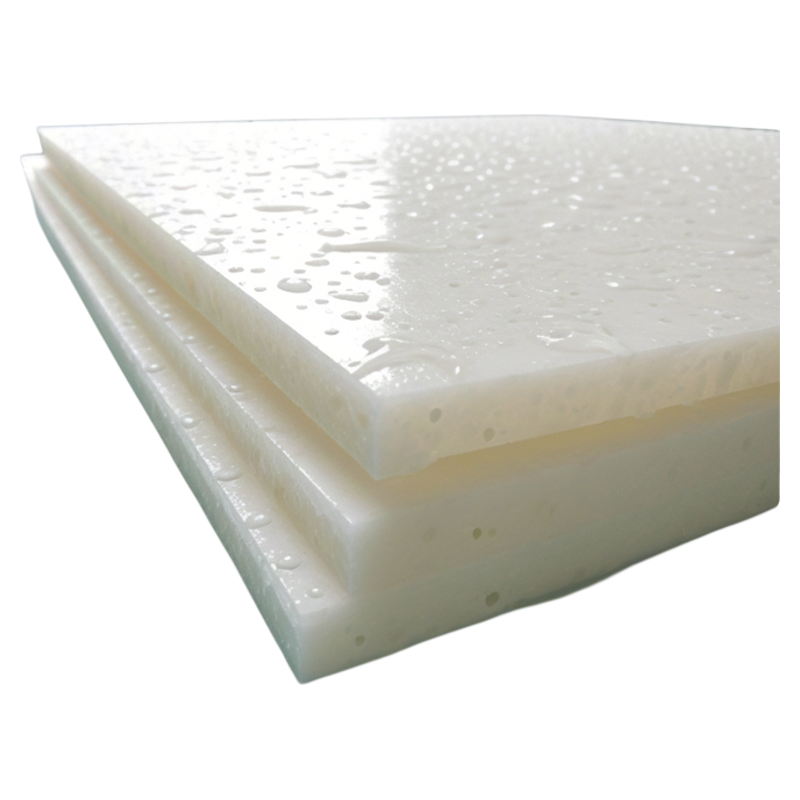
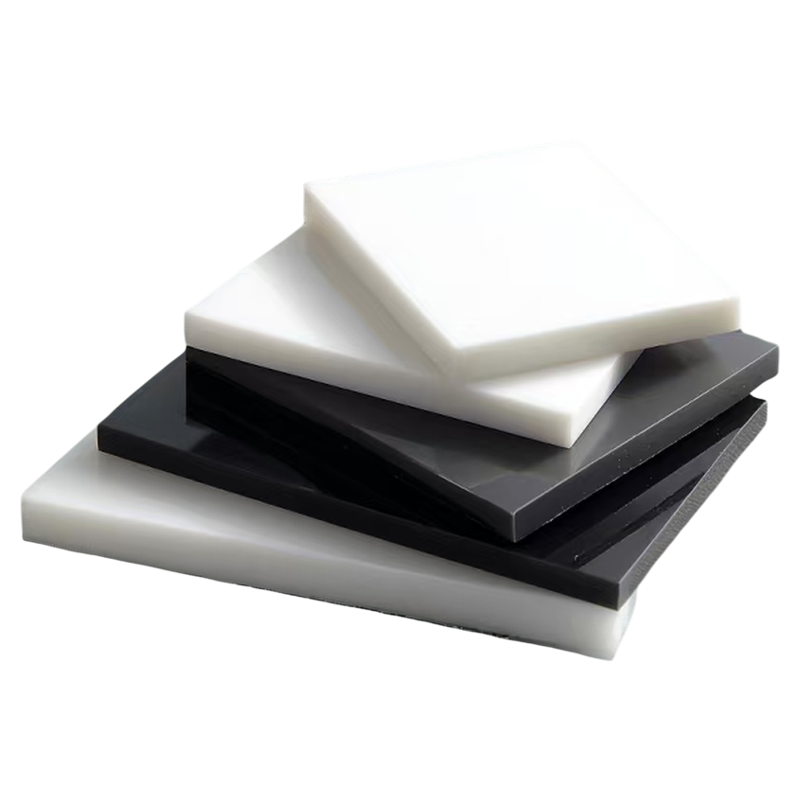
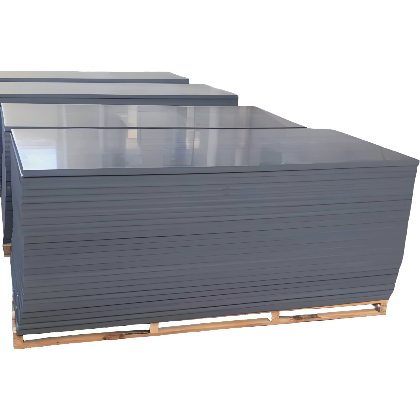
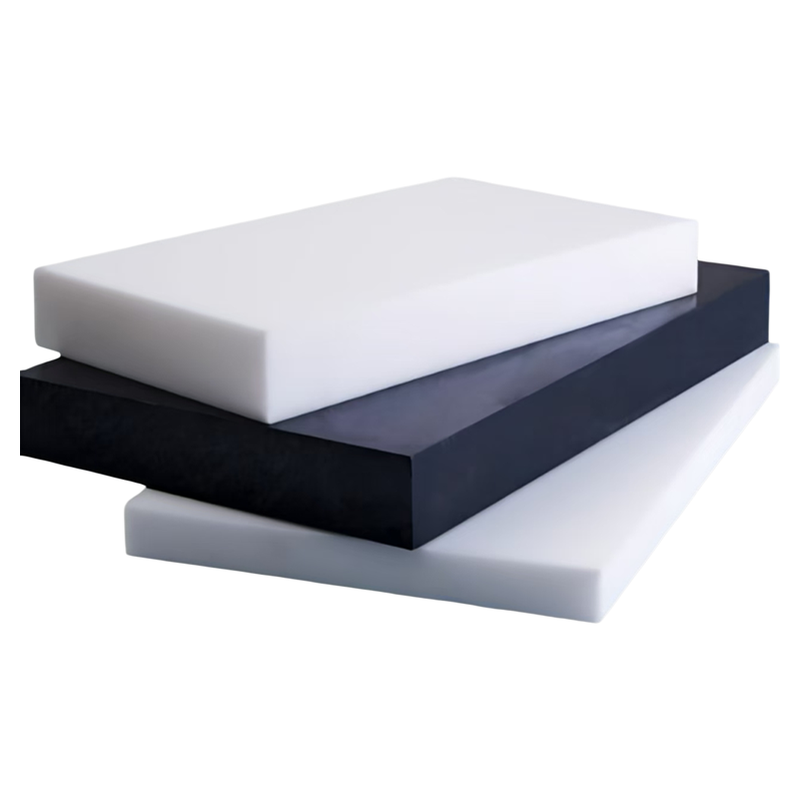
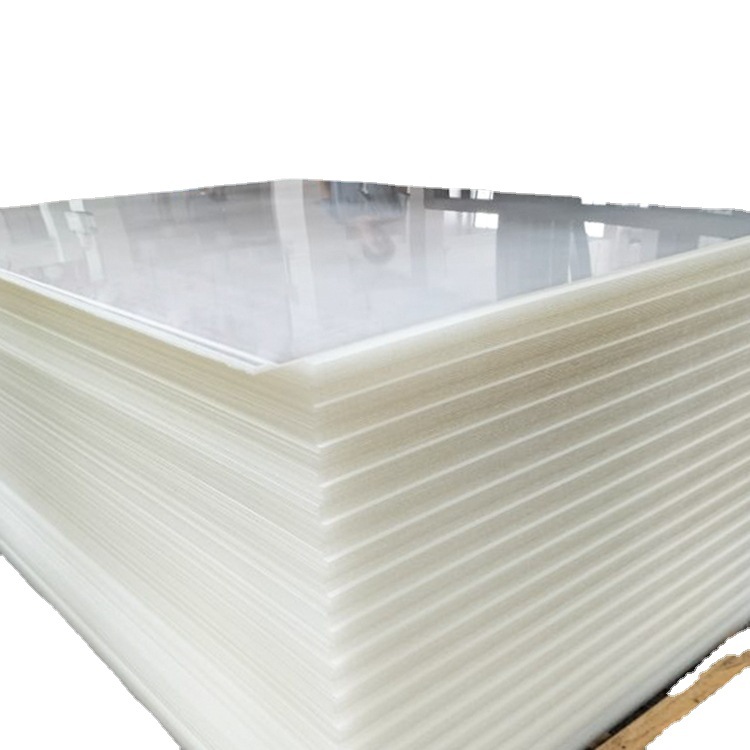
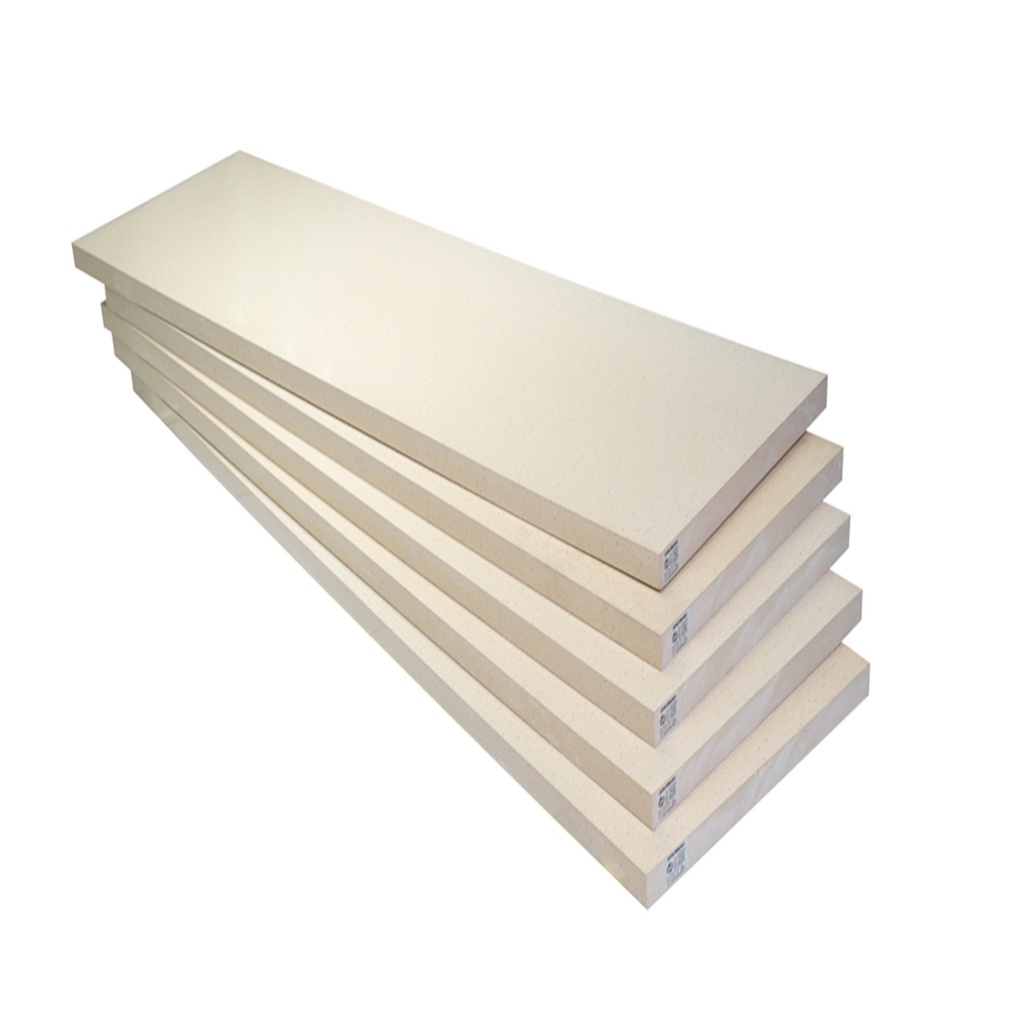
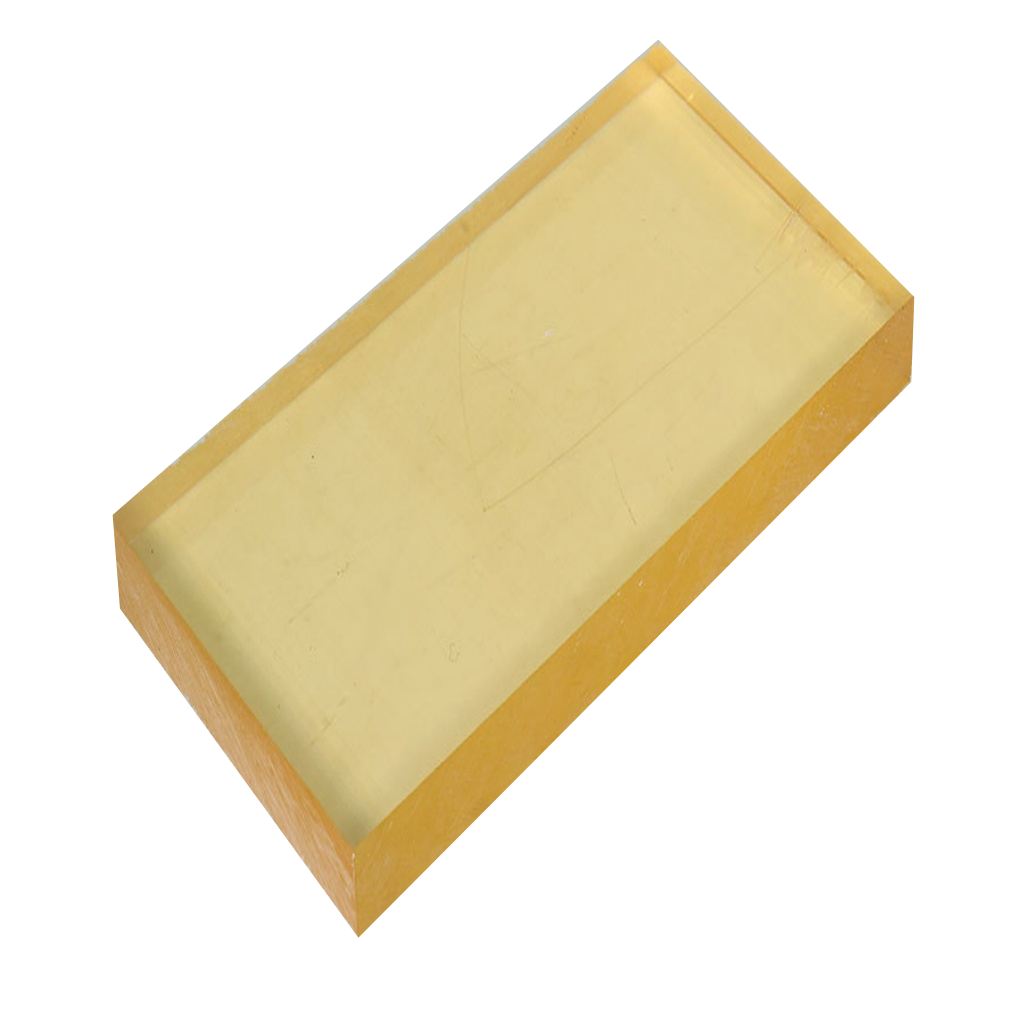
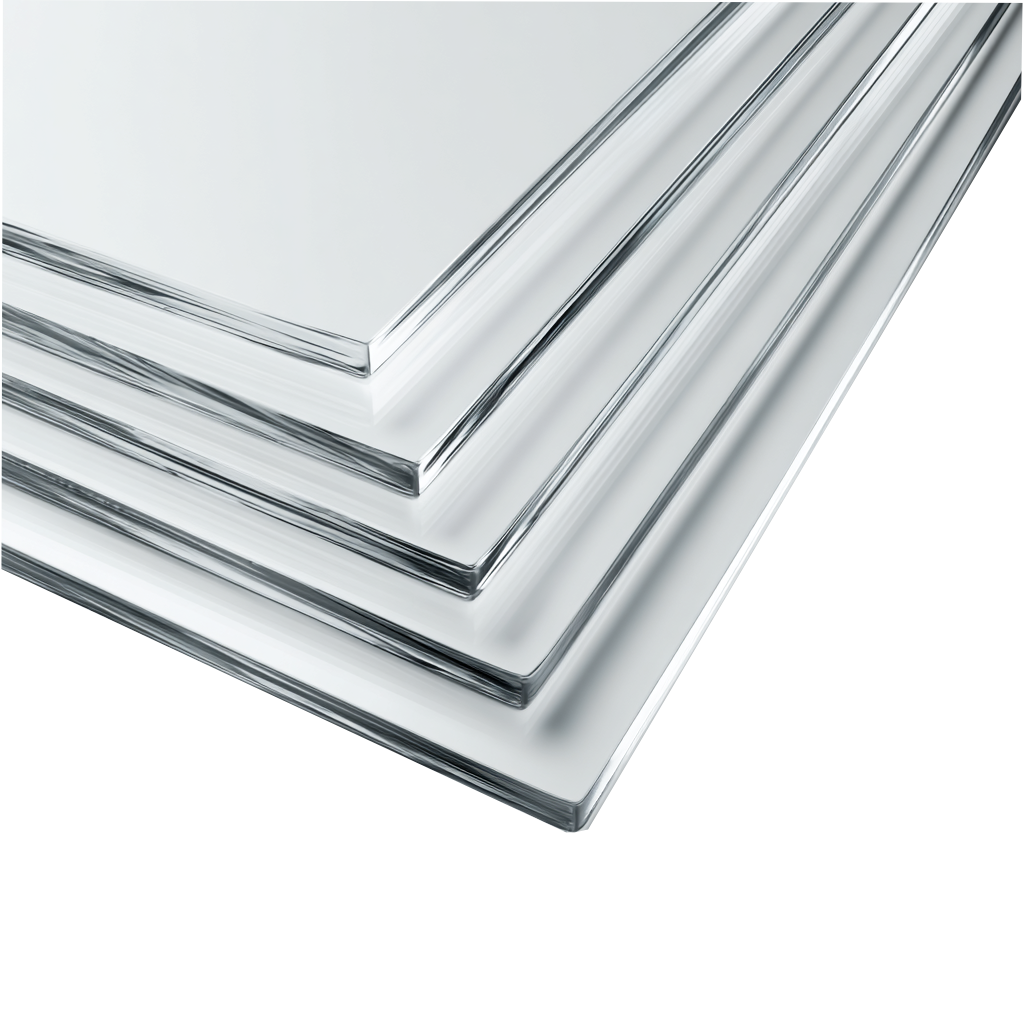
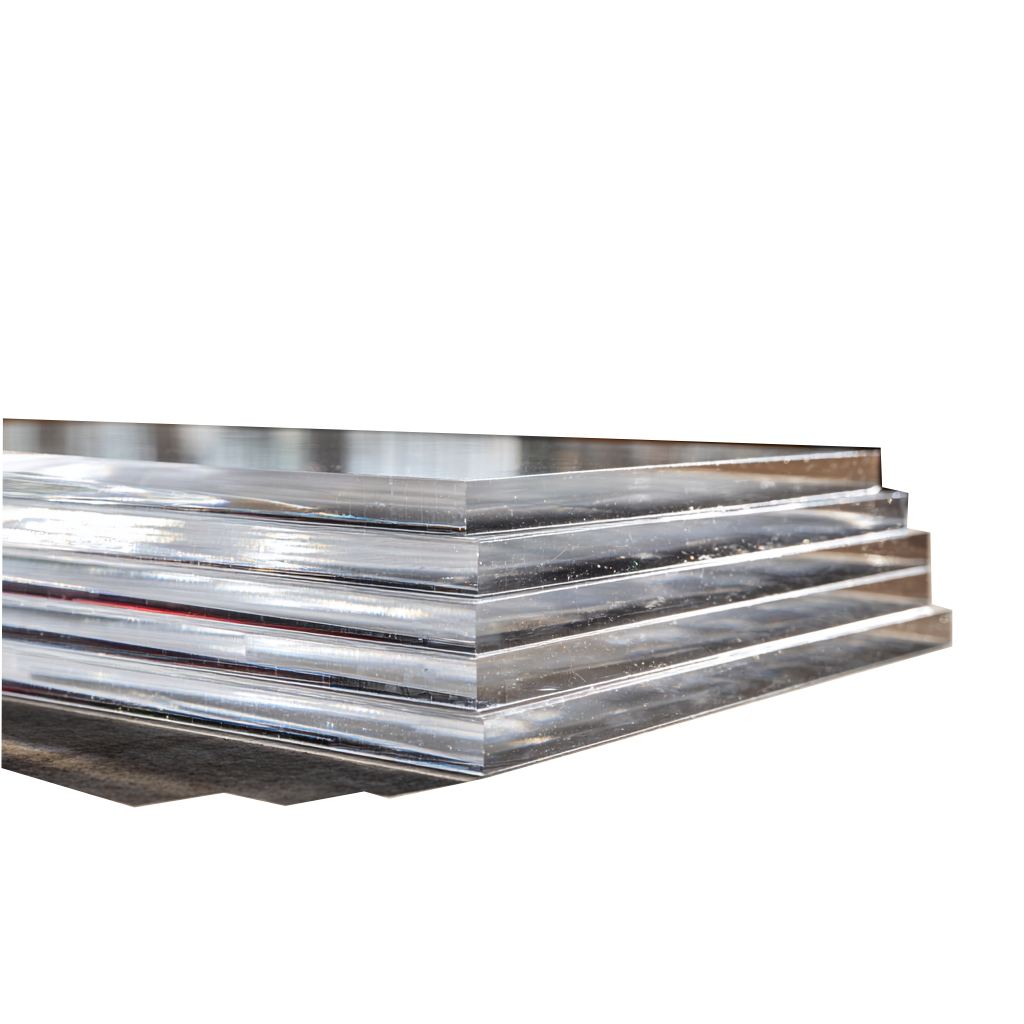
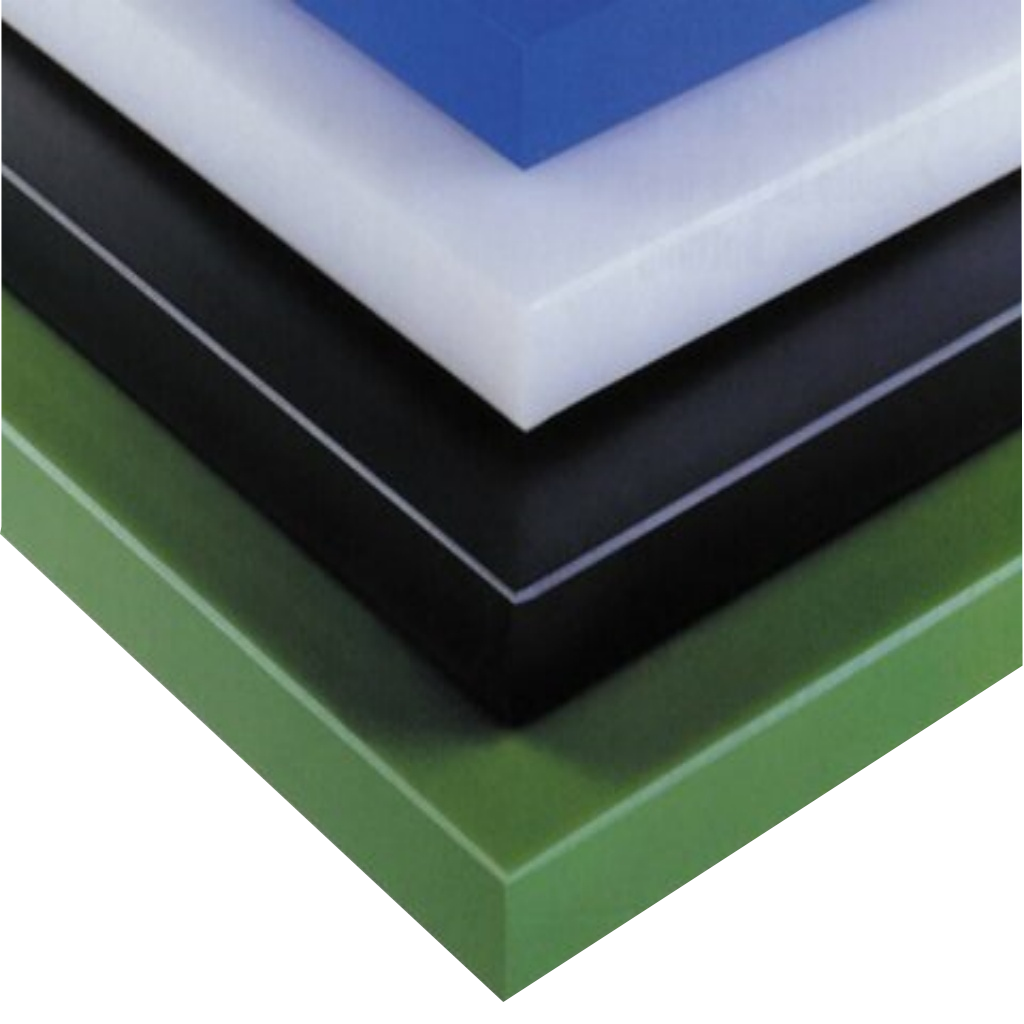
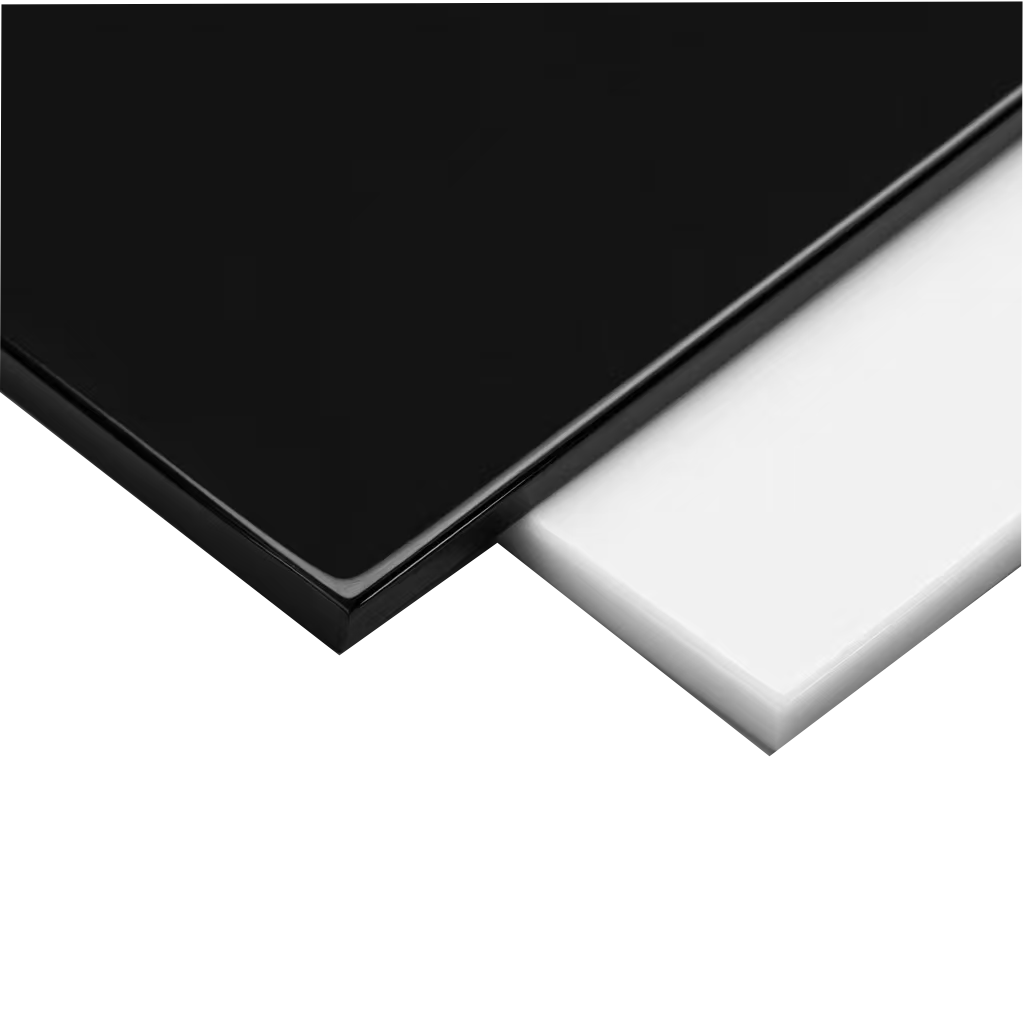
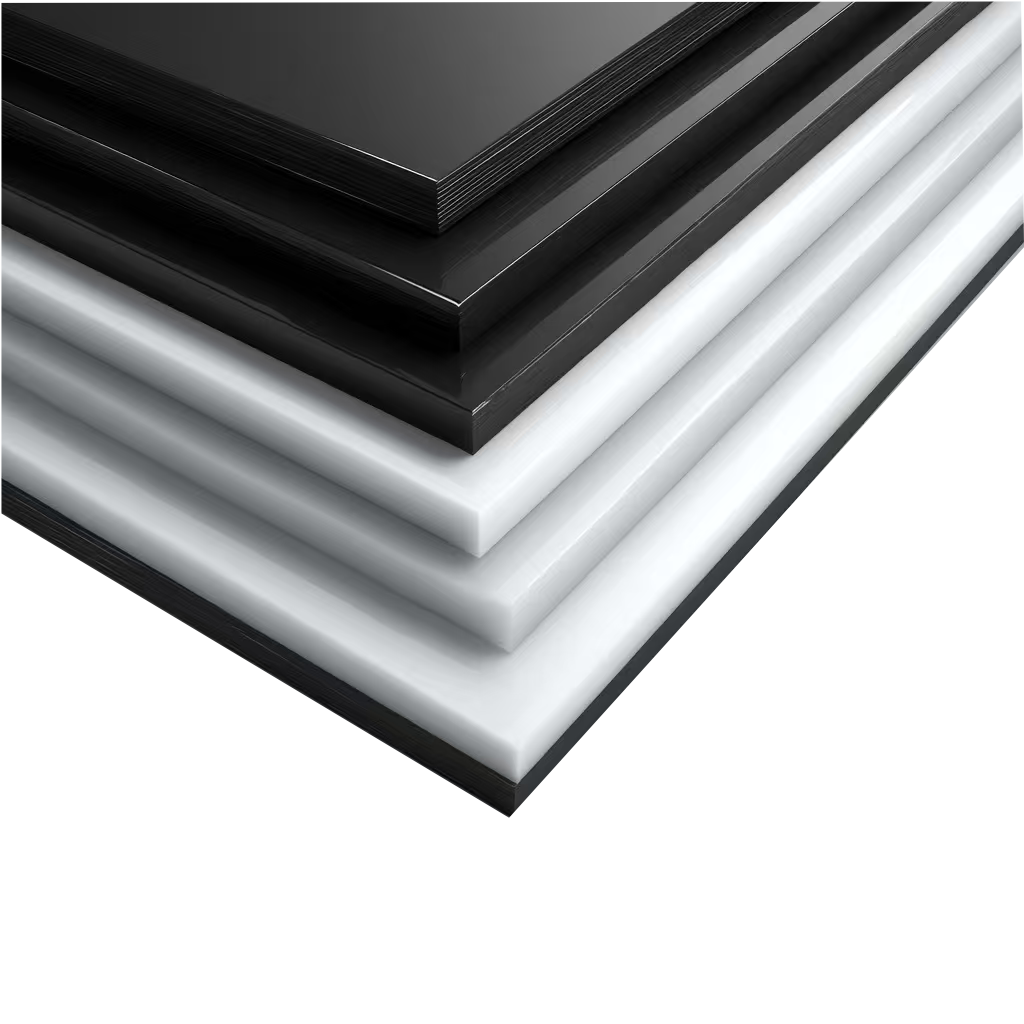
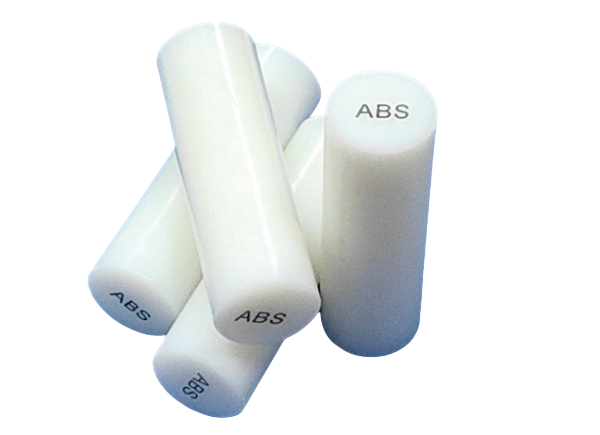
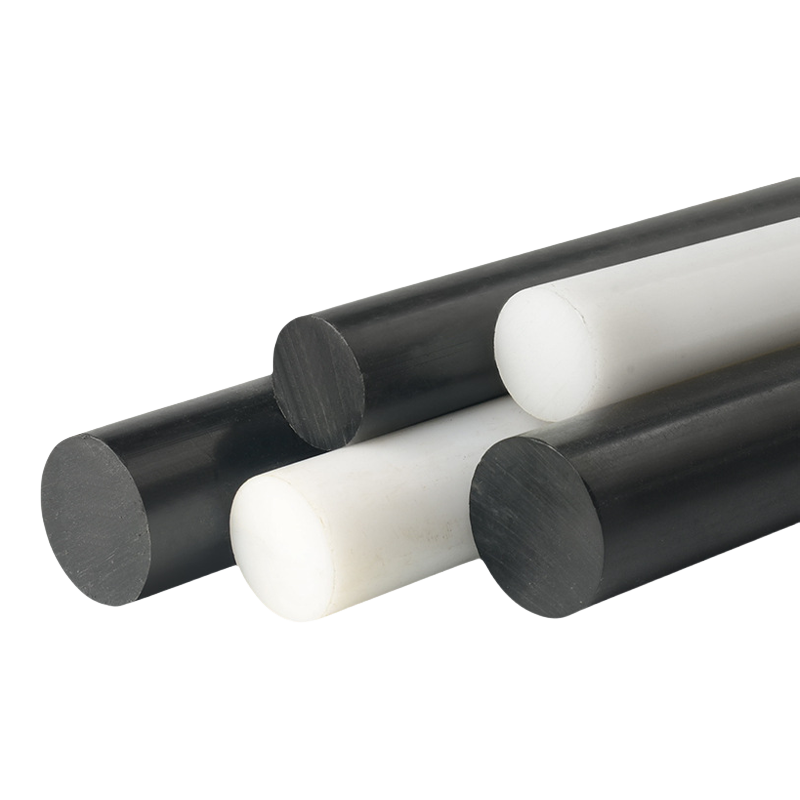
Colors: Beige, Transparent, Black
Temperature Resistance: -40°C to 100°C
Melting Point: 210°C–280°C. It is flammable, burning with a yellow flame and emitting copious amounts of thick black smoke; it continues to burn even after being removed from the ignition source and produces a rubber-like odor.
Light Transmittance: 88–92%
Disadvantages:
- Poor Weather Resistance:** ABS sheets are susceptible to ultraviolet (UV) radiation; prolonged exposure to sunlight can easily cause yellowing and embrittlement, thereby reducing the material’s service life.
- Low Heat Distortion Temperature:** Although ABS sheets possess relatively good thermal stability, they are prone to softening or deformation in high-temperature environments. Consequently, they are unsuitable for high-temperature operational settings, and their mechanical properties are significantly influenced by temperature fluctuations.
- Poor Solvent Resistance:** ABS sheets are sensitive to certain organic solvents, which can easily induce dissolution or deformation; therefore, care must be taken to avoid contact with such solvents.
- Higher Cost:** Compared to other plastic sheet materials, ABS sheets carry a higher price point, which increases the overall cost of application.
- Inferior Flexural and Compressive Strength:** The material exhibits relatively lower flexural and compressive strength compared to some alternatives.
Advantages:
- High Durability:** ABS sheets possess excellent abrasion resistance and impact strength, enabling them to withstand significant external forces without easily cracking or deforming, resulting in a long service life. They are suitable for use within a temperature range of -40°C to 100°C.
- Good Chemical Resistance:** ABS sheets demonstrate good resistance to general chemical substances; they are not easily corroded by acids, bases, or similar agents, and remain unaffected by water, inorganic salts, alkalis, and various acids, making them suitable for use in a wide variety of environments.
- Good Processing Performance: ABS sheets possess excellent plasticity and machinability; they can be formed using processes such as injection molding, extrusion, and blow molding, making them suitable for manufacturing products with various complex shapes.
- Smooth Surface: The surface of ABS sheets is smooth and flat, offering excellent aesthetic appeal; they can be used directly or subjected to surface treatments such as spray painting, printing, and more.
- Excellent Wear Resistance: ABS sheets exhibit superior wear resistance and good dimensional stability, in addition to being oil-resistant; they can be utilized for bearings operating under moderate loads and rotational speeds.
- Eco-friendly: Non-toxic and odorless, the surface is easy to paint, and the material possesses excellent chemical resistance and electrical insulation properties.
- Durable: Hard, scratch-resistant, and resistant to deformation, ABS sheets can be cut using sheet shears or stamped using custom molds.
Applications:
- Widely utilized across numerous sectors, including the food industry, architectural modeling, rapid prototyping, the electronics industry, the refrigeration sector, the pharmaceutical industry, and automotive parts manufacturing.
- Architectural Modeling and Rapid Prototyping: Used to create precise scale models and prototypes.
- Electronic Components: Used to manufacture the housings and internal components of electronic devices (e.g., radio casings, telephone handsets).
- Refrigeration Industry: Used to manufacture internal components for refrigerators and cooling units.
- Electronics and Appliances: Extensively used in the manufacturing of equipment such as televisions, radios, telephones, computers, and typewriter keyboards.
- Pharmaceutical Industry: Used to manufacture equipment and components related to pharmaceutical production.
- Automotive Parts: Includes dashboards, glove compartment doors, wheel covers, side mirror housings, and similar components.
- High-Strength Tools: Such as vacuum cleaners, hair dryers, blenders, lawnmowers, and similar power tools.
- Recreational Vehicles: Such as golf carts, snowmobiles, and similar vehicles.
- Furthermore, due to their exceptional mechanical properties and processing capabilities, ABS sheets are widely applied in various other fields—including office equipment, medical devices, and home decor—thereby demonstrating their pivotal role in modern industry.